Zaro Review

7.8/10

Turn company context into agents, dashboards, trackers, and recurring briefings.

Review updated July 2026 By The AI Way Editorial 3 min read
Zaro AI Agents Knowledge Base Team Collaboration Web-Based Freemium from USD 19.00/mo

Read this first

If nobody can explain what the agent can read, you are not ready to trust the output.

Our Verdict

Zaro is most interesting when the same messy company context keeps feeding recurring work: trackers, briefings, follow-ups, and status views. The upside is the shared memory layer, not app generation alone. The risk is governance, because stale or over-broad context will poison every agent and dashboard built on top of it.

Official site
A free plan is listed; verify current limits before upgrading. Starts at USD 19.00.
open_in_new Try Zaro
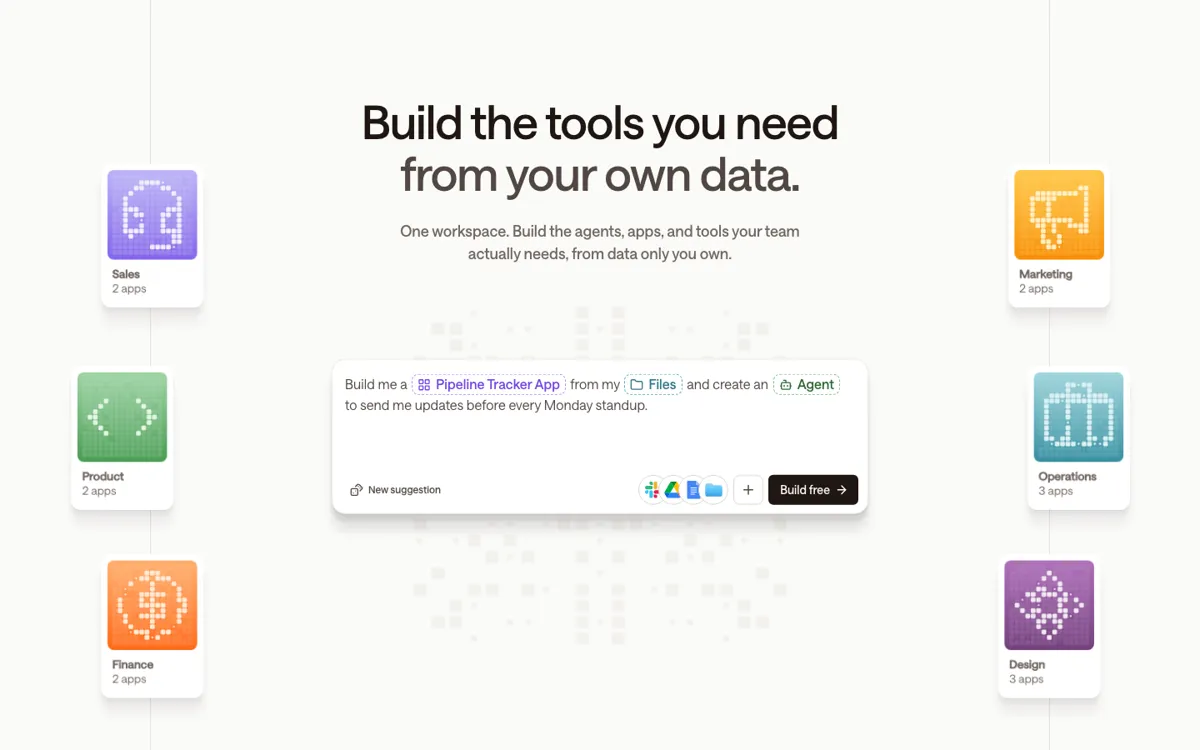
Official Website Snapshot Visit Site ↗

check_circle Pros

  • Shared workspace memory is more durable than one-off app generation.
  • The paid Sandbox plan avoids per-seat pricing with one shared credit pool.
  • Security pages are unusually direct about permissions, tool scope, and audit trails.

cancel Cons

  • Free access is a small sandbox, not a long-term free workspace.
  • The whole value depends on context freshness and permission hygiene.
  • Teams with strict control requirements will still need a careful rollout.

Should you use it?

lean teams turning scattered internal context into recurring ops workflows

Skip it if: your data access rules are too strict or too unclear for a shared agent workspace

Is it worth the price?

Freemium Starts at USD 19.00

The free sandbox is enough for one focused build. Real recurring use starts at the $19 monthly Sandbox plan, and credit top-ups become part of the buying decision once agents run often.

The Free Tier

2,500 free credits in one sandbox workspace

Paid Upgrade
$19/month

8,000 monthly credits and unlimited members, agents, and apps

One thing to know before you start

Pilot one recurring briefing or tracker with a human owner. If freshness slips in the first week, do not expand the workspace yet.

What people actually use it for

Morning briefings

A good fit when overnight calls, docs, and Slack threads need to become a short update before the team starts working.

Pipeline tracking

Useful when CRM records and call notes keep drifting apart and someone still has to rebuild the same deal view before standup.

Status dashboards

Works best when tickets, decisions, and specs already exist but nobody wants to keep refreshing the same internal tracker by hand.

What does Zaro actually do?

Zaro is easier to understand if you treat memory as the product. Capture company context once, let apps and agents read it, then write outcomes back so the next run starts smarter instead of from zero.

You are not only paying for app generation. You are buying a governed workspace with credits, permissions, tool controls, and audit visibility, so the rollout lives or dies on trust in that shared layer.

What you can do with it

Store files, calls, CRM records, and threads in one workspace.
Generate dashboards, trackers, and briefings from shared context.
Run agents on a schedule, trigger, or demand.
Write agent output back into the same workspace memory.
Control permissions, tool access, and audit trails centrally.

Technical details

governance
Workspace permissions, tool scopes, and audit trails
agent_runtime
Scheduled, triggered, or on-demand agents write results back
shared_memory
Apps, agents, and context read from the same versioned workspace

Top Alternatives to Zaro

If Zaro is close but still misses the job, try one of these instead.

Key Questions

Does Zaro have a free plan?
Yes. The pricing page shows a free Sandbox with 2,500 credits before the $19 monthly Sandbox plan.
Is it priced per seat?
No. The paid Sandbox plan says one shared credit pool with no per-seat fees.
What makes it different?
The shared workspace memory is the key difference. Apps, agents, and source context all read from the same versioned layer.
What is the main risk?
Permissions and freshness. If the workspace can read the wrong sources or stale sources, every generated output gets weaker.